
Interior Design Basics: 3 Simple Principles for a Home That Feels Just Right
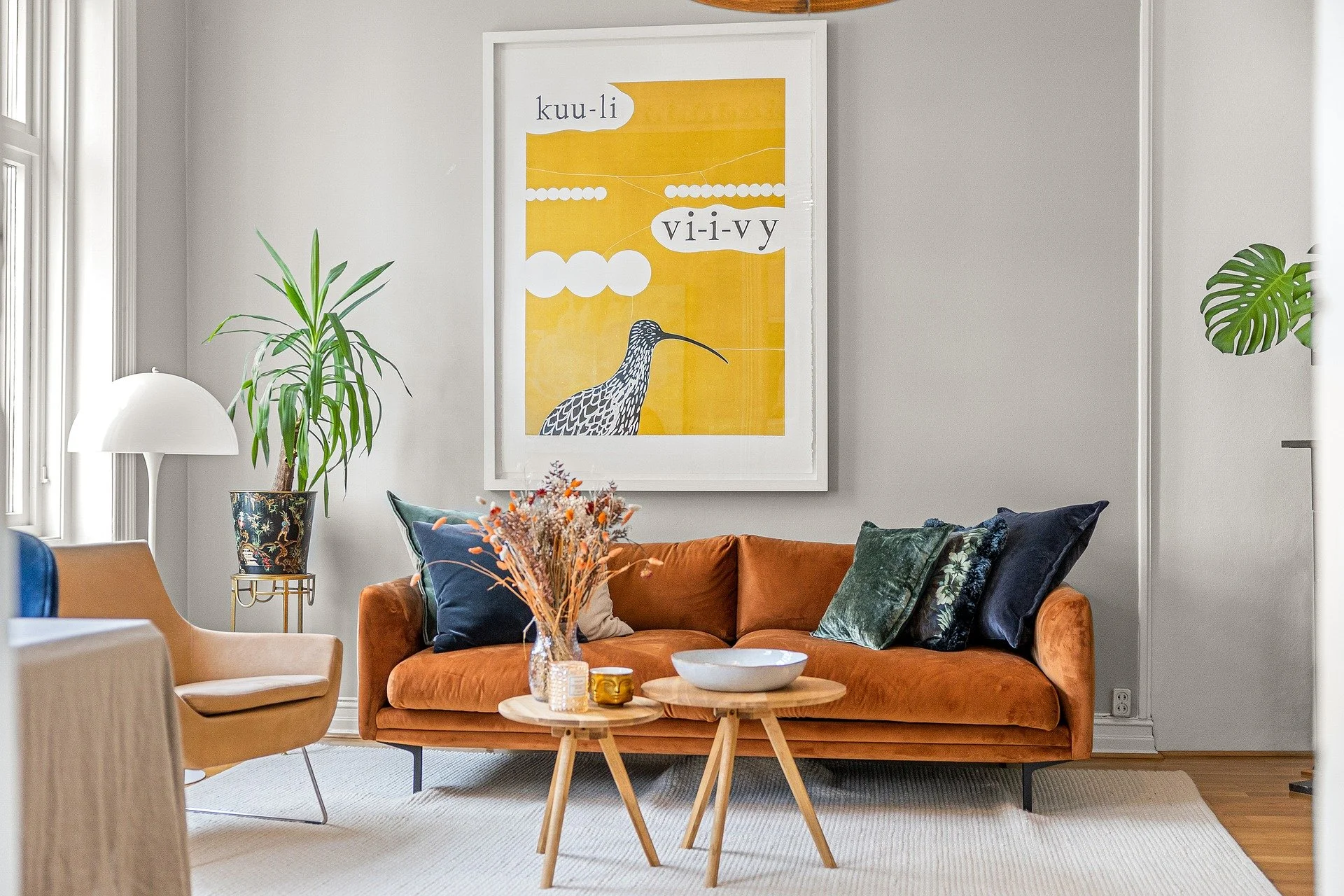
from Pixabay
You have probably admired countless photos of beautiful, magazine-worthy rooms and wondered, “How can I create a space like that without starting from scratch?” The good news is that successful interior design does not have to be complicated, expensive, or tied to fleeting trends. By focusing on three timeless guidelines—function, mood, and harmony—you can create a room that looks polished, feels deeply inviting, and effortlessly supports your everyday life.
Three Guidelines for Designing a Successful Room
Every successful room is functional.
Every successful room expresses a mood.
Every successful room exhibits a sense of harmony.
1. Start With Function
Function is the most practical interior design guideline: every room must serve its intended purpose. Before choosing colors, furniture, or accessories, decide how the space needs to support the people who use it.
For example, what is the primary function of a living room? In most homes, it is a place for conversation, relaxation, spending time together, and entertaining guests. The furniture layout and other design elements should make those activities feel natural and comfortable.
That’s why you arrange chairs and sofas so people can face one another, allowing a group to gather comfortably for conversation. A thoughtful layout can also create opportunities for more intimate connections. Two people might sit in a pair of chairs in a quiet corner, share a bench by the fireplace, or relax together on the sofa. A functional living room supports both large gatherings and quiet, one-on-one moments.
Designing for Multiple Uses
Can a room have more than one function? Of course. A living room can also offer a comfortable place to read or unwind at the end of the day. That could mean carving out a reading spot near a window for natural daylight and adding an adjustable lamp for evening use. Because living rooms often host guests, a well-designed space should also include convenient table surfaces within easy reach of most seats for drinks and books.
Consider every function a space needs to fulfill before you begin decorating. No matter how beautiful a room looks, it isn’t successful if it doesn’t work as intended. A dining room that is inconvenient for meals has missed its purpose, just as a bedroom that is uncomfortable for sleeping has missed its own.
2. Set the Mood
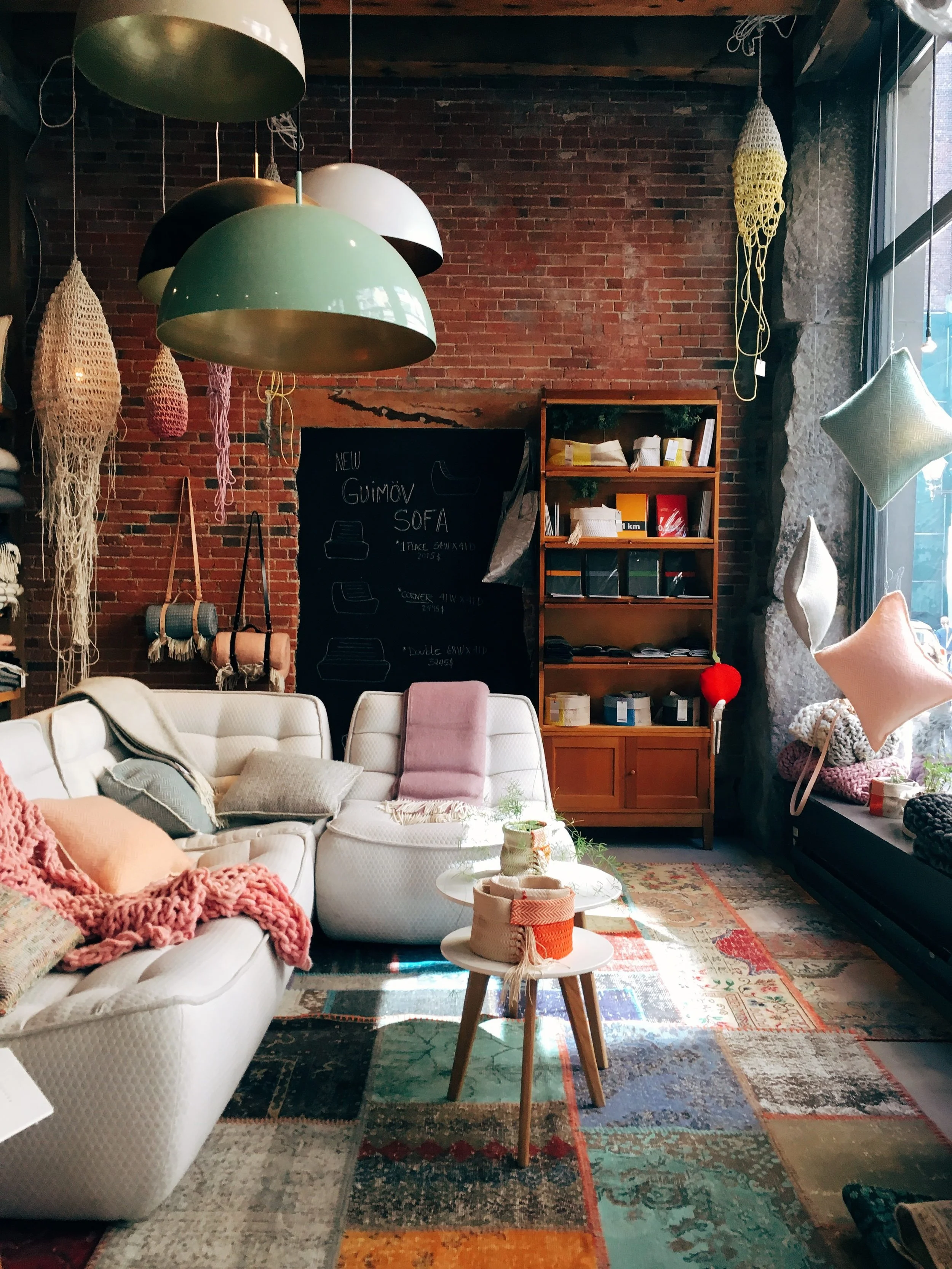
The best starting point for any room is understanding what the space must do. Once its practical functions are clear, you can choose the layout, lighting, and furniture with greater confidence. Then comes the more imaginative question: “How do I want this room to feel?”
That answer becomes the room’s mood—the emotional thread that turns a collection of attractive objects into a memorable, welcoming sanctuary.
Mood gives a room its personality. A sleek high-rise apartment might feel sophisticated and energetic, while a cozy living room may invite you to slow down, settle in, and breathe a sigh of relief. Neither mood happens by accident. Color, lighting, texture, shape, and materials all send subtle signals:
Deep tones and polished metal can add drama and elegance.
Soft neutrals, warm wood, and woven fabrics create calm and grounding energy.
Bright colors and playful patterns can make a family room feel lively and cheerful.
Choose three words to describe the atmosphere you want—such as serene, cozy, elegant, cheerful, or welcoming—and use them as a filter for every design decision. When each element supports the same feeling, the room tells one clear story instead of competing for attention.
3. Create a Sense of Harmony
Harmony is what makes a room feel complete. In a successful interior, the furniture, colors, materials, and decorative details support one another. Each choice should feel appropriate to the room’s purpose and mood, not as though it wandered in from an entirely different house.
Why Scale and Proportion Matter
Harmony is about more than matching a design style; scale and proportion matter deeply. A king-size bed can overwhelm a tiny bedroom, leaving little room to move and making the space feel crowded. Smaller rooms generally benefit from furniture with lighter visual weight and dimensions that allow the room to breathe.
The reverse is true in a spacious living room, where undersized chairs and sofas can look lost or scattered. Larger rooms usually need more substantial pieces—or thoughtfully arranged furniture groupings—to create balance.
Consistency Over Price
Harmony also depends on visual quality: pieces don’t need to cost a fortune, but they should feel equally considered. For example, if you are designing around beautifully crafted family heirlooms, a flimsy imitation may distract from their character. A better companion might be a simple modern piece made from honest, durable materials.
Harmony does not require everything to match; it requires the combination to feel deliberate. Repeating a few materials, finishes, or shapes can make affordable furnishings feel connected and intentional. Consistency—not price—creates a polished result. (For more ideas on bringing your space together with intention, you can explore our guide on “4 Design Tricks That Make Any Room Feel More Put Together”.)
Color as a Connecting Thread
Color is another powerful source of harmony. A palette should work not only within the room but also with its intended mood. Calm spaces may rely on soft, related tones, while energetic rooms can use brighter accents. Repeating key colors in rugs, pillows, artwork, or accessories helps guide the eye through the space and makes the design feel cohesive.
The Harmony Check: Whenever you consider a sofa, a length of fabric, a paint color, or a decorative object, ask four questions: Does it suit the mood? Is it the right scale? Does its quality complement the surrounding pieces? Does it work with the color palette? If the answer is yes, you are well on your way.
Quick Interior Design Checklist
Define what the room needs to do functionally.
Choose three words that describe how you want the space to feel.
Select furniture that fits the room’s physical scale and proportions.
Repeat colors, materials, or shapes to create visual connection.
Remove anything that distracts from the room’s purpose or mood.
Bring Function, Mood, and Harmony Together
A beautiful room isn't created by following every passing trend or buying everything at once. It begins with knowing how the space should function, deciding how you want it to feel, and choosing elements that work together in harmony. Use these three interior design guidelines as your foundation, then layer in the colors, objects, and personal details that make the room truly feel like home.
Ready to Refresh Your Room?
Choose one room in your home and put these ideas into practice today. Start by writing down its main function and three words that capture the mood you want, then identify one small change that would create greater harmony.
What are your three mood words—or what is your biggest decorating challenge right now? Share your thoughts in the comments below, and be sure to save this guide for your next room makeover!
