
How Decluttering Changes You: Real Emotional Results From Real People
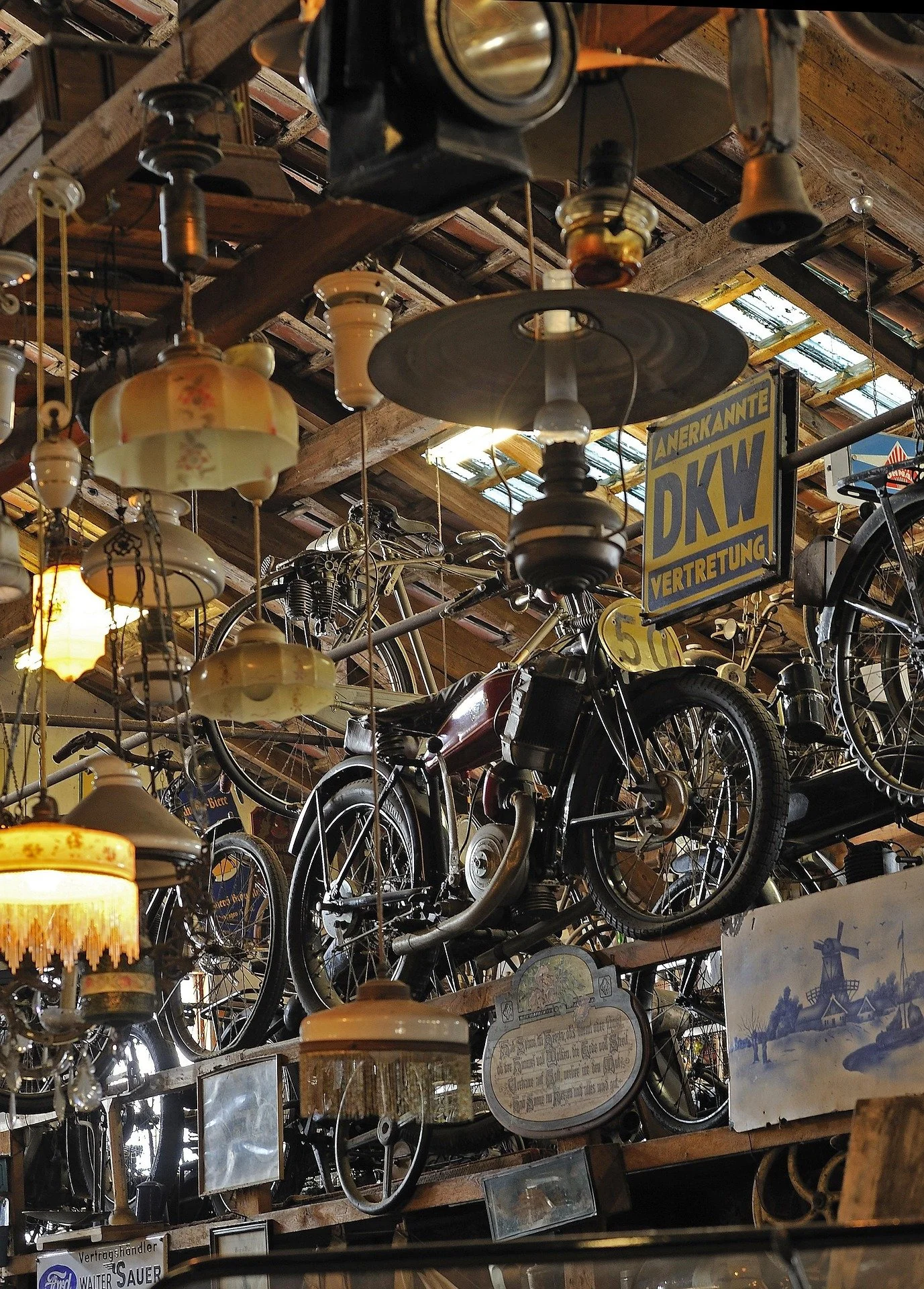
museum old lamps motorcycle from pixabay
People online claim fascinating emotional benefits from releasing clutter. Does science back them up? Now is the perfect time to find out.
Can cleaning out your closet, dresser, or bedroom really change your perspective? Some claim that a tidy space is the catalyst for a totally new version of themselves.
Spend some time in online decluttering communities, and you will notice that people are not just talking about cleaner spaces. They describe relief, calm, and a renewed sense of purpose. Some even say the process brings up unexpected emotions. Commenters often call decluttering “liberating” or “life-changing.” It not only helps them reclaim their homes, but also helps them think more clearly, stop procrastinating, enjoy hobbies again, and even stop overspending. A few have made life-changing decisions such as changing careers, partners, and even locations. These first-person stories show how decluttering can affect everyday life in ways that go far beyond tidiness.
For a woman over 50, those claims can land in a very personal way. At this stage in life, our homes hold decades of family seasons, jobs, caregiving, holidays, losses, purchases, and unfinished projects. Often, they hold versions of ourselves we no longer recognize. So the question is not simply, “Should I get rid of stuff?”
The deeper question is, “What might I get back if I stop carrying so much?”
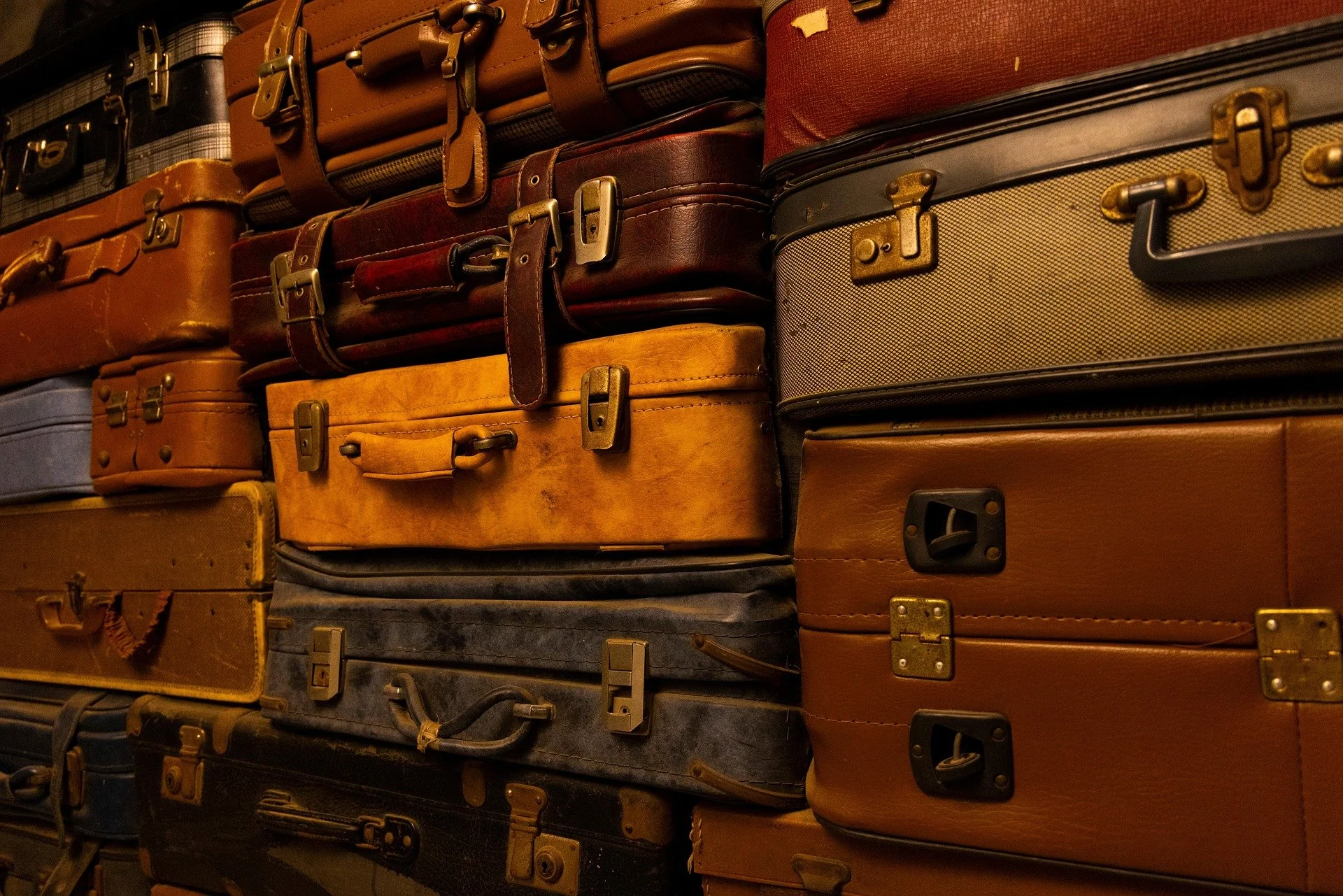
Image by Engin_Akyurt from Pixabay
1. They feel immediate relief
One of the most common themes I found is relief: the feeling that a room has finally stopped demanding their attention. They describe clutter as mental and emotional noise, a pile of tiny unfinished tasks that keeps whispering to them from the background of their mind. When they clear it, they often say the space feels quieter, and even better, their bodies relax.
Science supports these claims. In research by Darby Saxbe and Rena Repetti, they found that women who described their homes as cluttered, stressful, or unfinished had higher cortisol levels and more depression than women who described their homes as restorative and relaxing.
I am not claiming that every messy drawer causes stress, but this suggests that a home that feels overwhelming can keep the body on high alert. And that stress affects our cortisol levels. And increased cortisol levels affect our mental and physical health overall. So, perhaps clearing just one visible area may reclaim a small pocket of peace we so desperately need in our modern lives.
2. They have more energy and mental clarity
People also report more energy. With fewer things competing for attention, decluttering can feel like it creates more time. They say ordinary tasks become easier because there is less to dig through, manage, or feel guilty about. As a result, they think more clearly and find their home and life more peaceful.
Psychologists call this cognitive load. Visual clutter competes for attention and makes it harder to focus. A simpler environment has fewer open tabs on our mental desktop. That can make everything from getting dressed and packing for a trip to starting a project feel less draining.
This is why something as simple as clearing a countertop can matter more than you realize. It is not just an empty surface; it is one less argument with your environment.
3. They become more intentional about money and habits
People online often say decluttering changes the way they shop. After seeing how much they already own, some pause before buying more. Others began selling unused items or gave them away. There is a newfound freedom in not having to squeeze value out of every object. The emotional benefit isn't just a cleaner home; it is a new relationship with “enough.”
That shift can be especially powerful after 50, when many women are rethinking priorities. You may be asking what you want out of life. Is it time for retirement, semi-retirement, caregiving, travel, or more creativity? Decluttering can reveal where your past spending no longer aligns with your current desires.
Science explains this with the term self-efficacy. Small wins can build self-efficacy, the feeling that your actions matter. When you make one clear decision and see the result, you are more likely to make another.

image by AdinaVoicu @ pixabay
4. They feel emotionally lighter
Many of the most moving decluttering stories are not about junk. They are about memories. People struggle with the gifts, inherited items, old clothes, childhood papers, former hobbies, and objects tied to grief or regret. Some say letting go is freeing. Others admit it can bring anxiety, sadness, fatigue, or guilt before it brings relief.
That honesty with yourself is important. Decluttering is not a magic mood makeover. However, it often stirs up unfinished emotional business around your identity and loss. It can help you separate your memories from the stored items you are holding onto. In my article, “The Gentle 5-Step Guide to Downsizing Sentimental Clutter,” I look into how to downsize sentimental clutter without regret and without losing the memories that matter.
You can honor what something meant to you without keeping every physical reminder forever. For women over 50, this may be the heart of the matter. You do not have to keep proof of every role you have ever played. You can keep what supports the woman you are now. In my free “Sentimental Clutter Decision Guide”, I take you through a simple series of questions to help you decide what deserves a place in your life, what might be better passed along, and what you can finally let go of—without guilt. You can get this for free when you sign up for my free newsletter here.
5. They rediscover space for pleasure
One recurring theme in online stories is joy. People mention finding room for hobbies, enjoying a peaceful bedroom, playing music again, inviting people over, or simply enjoying being home. One person described finally having space for a keyboard and rediscovering the pleasure of playing piano decades later. That kind of story shows how decluttering can create room not only for order, but for pleasure and renewed identity.
This is the hidden promise of decluttering: you are not only removing things. You are making room for purpose, rest, creativity, and connection. A home with breathing room can become less of a storage unit and more of a stage for the life you still want to live.
So, does decluttering really help?
The honest answer is: Yes, it can. People commonly experience relief, clearer thinking, improved habits, better use of space, more peace, and a sense of fresh possibility. Research supports the idea that cluttered environments can increase stress, compete for our attention, and affect our moods, especially when the home feels unfinished or overwhelming.
But the benefit isn't about becoming perfectly organized. A home should feel lived in and comfortable. The benefit is in choosing what deserves your space now. Start with one small, visible area. Notice how you feel before and after. If you feel lighter, let that be fuel for the next project. If you feel emotional, use that as information about what may be holding you back from the life you really want. Either way, you are learning what you are ready to release.
Your fresh start does not have to be dramatic. It can begin with a drawer, a shelf, a bag by the door, or one honest sentence: “This no longer belongs to the life I am building.”
Your turn: choose one small space today and clear it with curiosity, not criticism. Then ask yourself: What did I get back when I let that go? Let me know in the comments below.
