
How to Gain Better Health and Work With Your Body After 50
Why is it that once we hit middle age, the rules of health seem to change? The same foods we once ate without a second thought no longer seem to work the way they used to. The number on the scale creeps upward, our knees ache, our muscles grow softer, sleep gets harder, and the energy we once took for granted begins to disappear.
A common consensus in our culture is that these changes are to be expected at our age. We’re told to try harder, eat less, exercise more, and take another pill.
I don’t accept that as the whole story.
Our bodies are remarkably capable of adapting and changing when we give them the right conditions. At the same time, we’re living in an environment filled with chronic stress, poor-quality food, environmental exposures, and other factors our bodies were never designed to deal with day after day. Much of what we consider “normal aging” may actually be influenced by modern lifestyle and environmental factors—and many of those factors can be changed.
For women, the hormonal changes that accompany menopause add another layer. Changes in estrogen can affect metabolism, sleep, body-fat distribution, and other systems throughout the body.
Getting older is inevitable, but feeling older than we need to is not.
It is never too late to get healthy. But we can no longer use a 30-year-old blueprint to manage a 50-, 60-, or 70-year-old body.
It’s time to stop fighting our changing biology and learn how to work with it.

1. Why Am I Gaining Weight After 50 Without Changing My Diet?
The Menopause and Mindset Shift
Your willpower is not the problem.
No one can comfortably live on 1,200 calories a day forever. No one can continually deny their hunger and expect to have a healthy relationship with food. We need to move away from the cycle of drastic dieting, deprivation, losing weight, gaining it back, and starting all over again.
Constantly cutting calories can leave us hungry, frustrated, and focused on what we can’t eat. And when we consistently eat too little, our bodies respond by increasing hunger and making it even harder and unsustainable.
The goal isn’t to convince your body to accept starvation. It’s to nourish it well, to support your muscles and metabolism, and create an environment where healthy change is possible. Real food is not an enemy. Processed chemicals, toxins, and malnourishment are.
Then there are the hormonal changes that come with menopause. Declining estrogen can influence appetite, metabolism, body-fat distribution, sleep, and other systems throughout the body. Researchers are also investigating the connections between menopause, estrogen, the gut microbiome, and inflammation.
So instead of asking, “How little can I eat?” perhaps a better question is:
“What can I give my body today that will help it thrive?”
This is where I like to think about nourishing your metabolism rather than constantly trying to control it.
Here’s what that looks like:
Include a source of quality protein with each meal. Aim for roughly 25–30 grams per meal as a practical target, particularly as you get older and want to preserve muscle.
Eat plenty of fiber-rich plants. Greens, berries, vegetables, fruits, beans, and other plant foods provide fiber and a wide range of nutrients.
Make whole grains your everyday grains. Think oats, brown rice, barley, quinoa, and other minimally processed grains.
Eat legumes every day. Beans, lentils, chickpeas, and peas are inexpensive, filling, and packed with fiber and nutrients. Your gut may need a little time to adjust, but your microbiome will benefit from the variety of plant foods.
Choose mostly healthy sources of fat. Nuts, seeds, avocados, olives, and other minimally processed sources of unsaturated fats can all fit into a healthy diet.
This is the foundation of what I call the Good Life Plate—a simple way to build meals around foods that nourish rather than restrict.
For a visual guide to building a balanced, health-focused plate, see my article on the Good Life Plate.
Weight gain after 50 isn't simply about eating too much or lacking willpower. Menopause can change where the body stores fat, with more fat tending to accumulate around the abdomen. At the same time, we may gradually lose muscle, become less active, sleep poorly, and experience changes in appetite and metabolism.
That’s why the answer isn’t simply “eat less.” The better question is: How can we eat better, move our bodies, preserve our muscles, get better sleep, and support our health for the second act of our lives?
2. What Are the Best Exercises for Women Over 50?
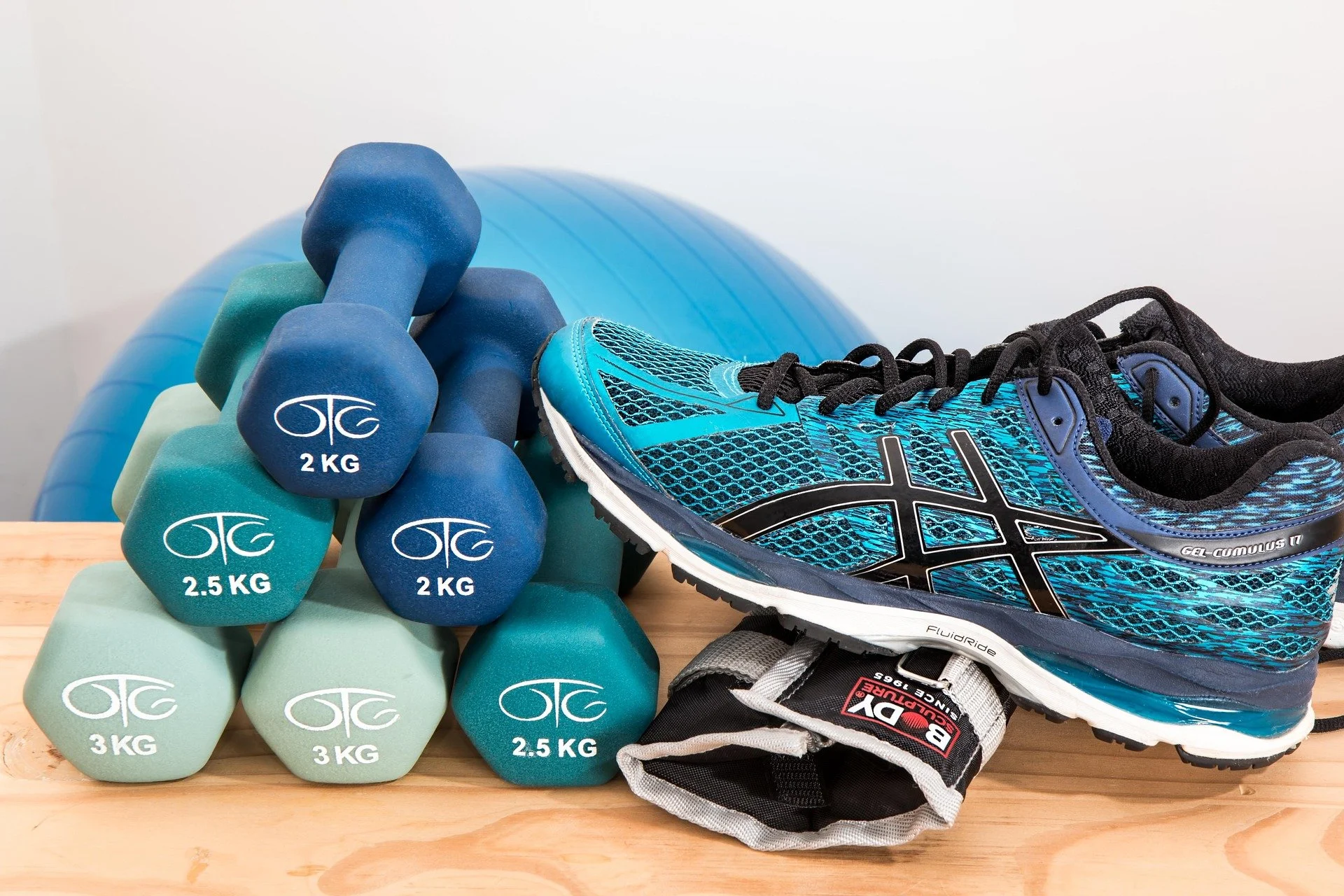
The best exercise routine after 50 isn't necessarily the one that leaves you exhausted. It’s the one that helps you build strength, protect your bones, maintain your muscles, and keep your body capable of doing the things you want to do.
Resistance training should become a priority—that means lifting weights, using resistance bands, working with your own body weight, or doing strength exercises that fit your current abilities.
After menopause, preserving muscle becomes especially important. We naturally lose muscle as we age, a process known as sarcopenia. Resistance training helps slow muscle loss, improves strength and physical function, and provides the mechanical stimulus that helps maintain bone strength.
Muscle Is Your New Longevity Currency
For decades, we’ve been told that cardiois the best for fitness. Cardiovascular exercise has it’s place. Choose an aerobic activity you love to support heart health, endurance, and overall well-being.
But after 50, cardio is just a part of your fitness plan.
Your muscles are working for you every minute of every day. They help you climb stairs, carry groceries, get up from a chair, maintain balance, and keep doing the activities you love. Maintaining muscle is increasingly important for metabolic health as we age. And research has shown that postmenopausal women can increase muscle size and strength through resistance training. Your body doesn't suddenly lose its ability to respond to exercise just because you've gone through menopause.
So instead of asking, “How many calories did I burn?” ask:
“What am I doing today to keep my body strong?”
Aim for two to three days a week of resistance training, using weights, resistance bands, machines, or body-weight exercises appropriate for your fitness level. Then add your favorite aerobic activy such as walking along with some balance and mobility work.
What About HIIT?
High-intensity interval training, or HIIT, can also be a useful addition to your exercise routine after 50. HIIT involves short periods of vigorous activity followed by periods of recovery and can improve cardiovascular fitness and metabolic health without requiring long workouts.
Howeve, if you're new to exercise, carrying extra weight, dealing with joint discomfort, or haven't exercised regularly in years, be careful and ask your health-care provider for guidance.Ask them to help you can create a low-impact version using brisk walking, a stationary bike, swimming, or other movements that raise your heart rate safely and protect your joints.
Your foundation should be strength training, regular movement, walking or other moderate aerobic activity, and adequate recovery. Add short intervals of higher intensity when your body is ready for them.
3. Why Can’t I Sleep Through the Night Anymore After 50?
If you suddenly find yourself waking in the middle of the night, you are not alone. Sleep often becomes more complicated during midlife, particularly for women going through perimenopause and menopause.
Hormonal changes can play a significant role. As estrogen and progesterone change, shifts in body temperature, hot flashes, night sweats, mood, frequent urination, and sleep regulation can make it harder to stay asleep.
And once we're awake, the frustration of “Why am I awake again?” can make falling back asleep even harder.
Breaking the Night-Sweat and Stress Cycle
Poor sleep isn't simply an inconvenience. When sleepless nights become a pattern, they can affect mood, appetite, energy, blood sugar regulation, and cardiovascular health.
Using your natural circadian rhythm is important for sleep and good health. One of the simplest things you can do is get outside for some natural morning light soon after waking. Morning light helps synchronize your body's internal clock and signals that it's time to be up and alert. Add gentle movement to morning light for even more benefit.
Then build an evening routine that tells your body it's time to wind down.
Relax before bed, turn off the devices, read, listen to gentle music, and stretch. A little while before bed turn down the temperature and dim the lights. Make a bedtime routine that says you look forward to.
Some people also find magnesium may help as part of their nighttime routine. If you're considering a magnesium supplement, be sure to discuss it with your healthcare provider first.
And don't overlook the basics: regular exercise, limiting caffeine later in the day, avoiding heavy meals and alcohol close to bedtime, and keeping a reasonably consistent sleep schedule can all help.
Try helping out your circadium health with some of these tips and let me know in the comments what worked for you.
4. What Supplements Do I Actually Need After 50?
If you've ever stood in the vitamin aisle staring at hundreds of bottles wondering what you actually need, you're not alone.
Our nutritional needs change, but I believe the best approach is to start with food. Only add supplements when there is a specific reason for them.
Some nutrients deserve some discussion after 50, including vitamin D, calcium, and vitamin B12. Depending on your diet, lifestyle, medications, and individual health needs, your healthcare provider may recommend checking your levels or adding a supplement.
The Nutrient Absorption Shift
As we get older, our bodies may absorb and use certain nutrients less efficiently.
For example, vitamin B12 absorption can become more difficult with age because changes in the stomach and digestion can interfere with B12 absorption. Certain medications can also affect B12 levels.
Calcium and vitamin D are important for maintaining strong bones, but not everyone needs a calcium supplement. Ideally, we should get as much of our nutrition from a varied diet, including calcium-rich foods and foods containing vitamin D. Use supplements only when they are actually needed.
Vitamin D is particularly interesting because our bodies can make it through sun exposure, but factors such as age, season, geographic location, skin coverage, and lifestyle can affect how much we produce.
B12 deserves special attention. Fortified foods or a B12 supplement can provide an important safety net.
Instead of asking:
“What pills should every woman over 50 take?”
Ask:
“What does my body actually need?”
Start with nutrient-dense whole foods. Then, if your diet or circumstances make it difficult to meet certain nutritional needs, talk with your healthcare provider about whether a supplement is best for you.
Supplements should supplement a healthy lifestyle, not replace it.
Be careful, more isn't necessarily better. Vitamins and minerals are essential, but may can cause harm when taken in excessive amounts or when they interact with medications.
If You Do Nothing Else, Start Here
You don't have to change your entire life tomorrow.
In fact, trying to change everything at once is one of the easiest ways to become overwhelmed and quit.
Instead, start with a few simple foundations.
This week:
Build your meals around whole foods. Include plants, protein, whole grains, legumes, and healthy fats.
Walk every day. Even 10 minutes is a beginning and after a meal may help regulate blood sugar.
Start building muscle. Aim for resistance training twice a week and gradually build from there.
Get outside in the morning. Give your circadian rhythm some natural light.
Create a bedtime routine. Make sleep a priority not an option.
Look at your nutritional needs. Talk with your healthcare provider about targeted supplements.
Pick one or more habits to build on and start there.
Your Body Isn't Broken
Improving your health after 50 isn't about clawing your way back to the body you had at 25.
That body belonged to a different season of your life.
This is about learning to understand the body you have now.
Your hormones have changed. Your metabolism may have changed. Your muscles, bones, sleep, and nutritional needs require an updated approach.
That doesn't mean your best years are behind you.
It means the old blueprint may need to be rewritten.
Instead of fighting your body with restrictive diets, learn to nourish it. Instead of measuring exercise to exhaustion, build strength, endurance, balance, and confidence. Instead of accepting sleepless nights as an inevitable part of aging, look for ways to support your body's natural rhythms.
And remember that small changes repeated create habits, and habits create a new life.
This week you could:
Build your meals around whole foods. Include plants, protein, whole grains, legumes, and healthy fats.
Walk every day. Even 10 minutes is a beginning and after a meal may help regulate blood sugar.
Start building muscle. Aim for resistance training twice a week and gradually build from there.
Get outside in the morning. Give your circadian rhythm some natural light.
Create a bedtime routine. Make sleep a priority not an option.
Look at your nutritional needs. Talk with your healthcare provider about targeted supplements.
Pick one or more habits to build on and start there.
Your body is not your enemy. It wants to heal. It wants to help you.
So let go of the guilt. Stop comparing your body to the one you once had. Learn what your body needs now and give it a chance to respond.
Because getting older isn't the end of the story; it’s an opportunity. It is the beginning of your second act.
Disclaimer: This article is intended for educational purposes and isn't meant to diagnose or treat a medical condition. If you're experiencing significant changes in weight, sleep, energy, pain, or other symptoms, talk with your healthcare provider. Before beginning a new exercise program, diet, or take supplements, discuss with them what is appropriate for your individual health and circumstances.
